 LondonPlate Logic
Exploring Excess Body Weight: Perspectives from Nutritional Science
An independent educational resource dedicated to explaining concepts in nutrition science and food-related topics.

Energy Balance Explained
Energy balance refers to the relationship between energy consumed through food and beverages and energy expended through metabolic processes and physical activity. This concept forms a fundamental principle in nutritional science.
The human body requires energy for basic physiological functions, including breathing, circulation, cell production, and nutrient processing. This baseline energy requirement is known as basal metabolic rate. Beyond these essential functions, additional energy is expended through voluntary movement and the thermal effect of food digestion.
When energy intake consistently exceeds energy expenditure over time, the surplus is typically stored in various forms, primarily as adipose tissue. Conversely, when expenditure surpasses intake, stored energy reserves may be utilized. Individual factors such as age, genetics, hormonal status, and body composition influence these processes in complex ways.
Understanding energy balance provides context for exploring how dietary patterns and activity levels relate to body weight over extended periods.
Macronutrients in Everyday Foods
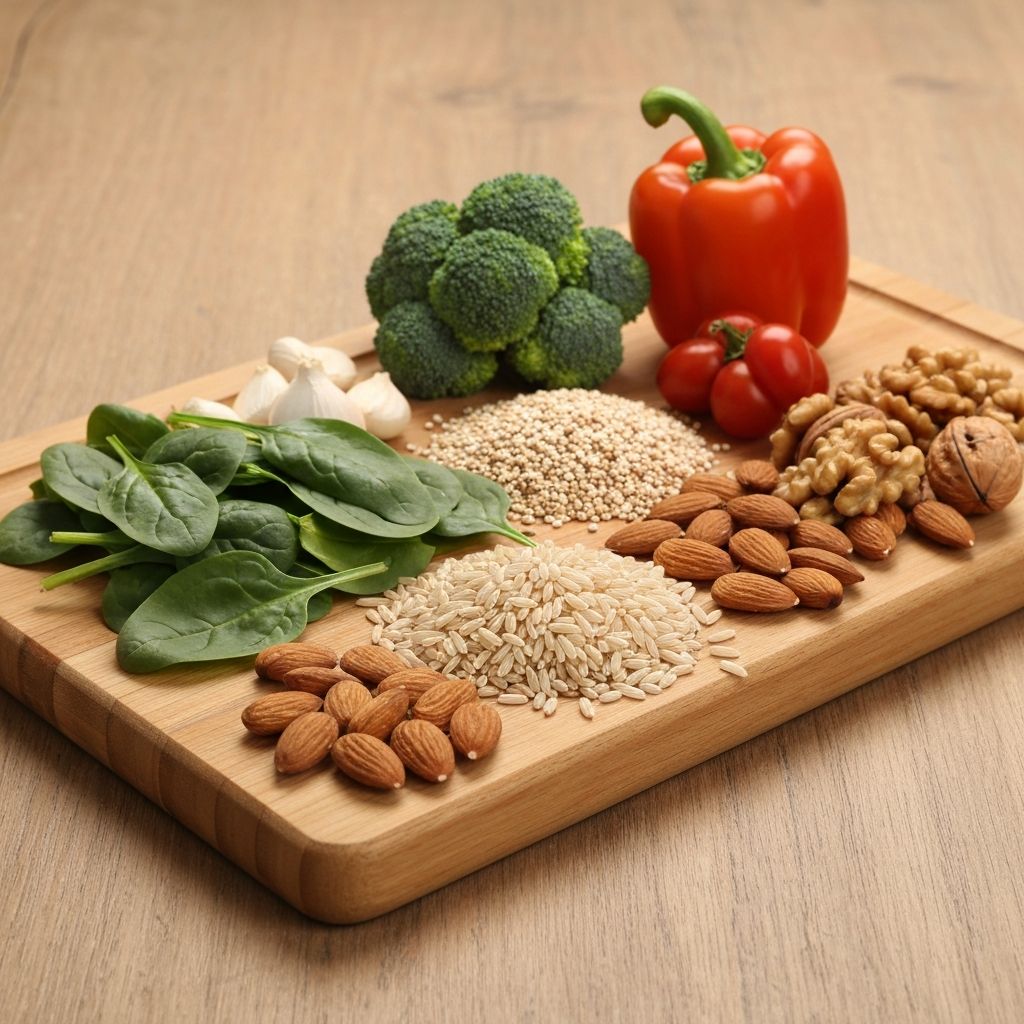
Macronutrients are nutrients required in substantial quantities to support bodily functions. The three primary macronutrients are carbohydrates, proteins, and fats, each serving distinct physiological roles.
Carbohydrates
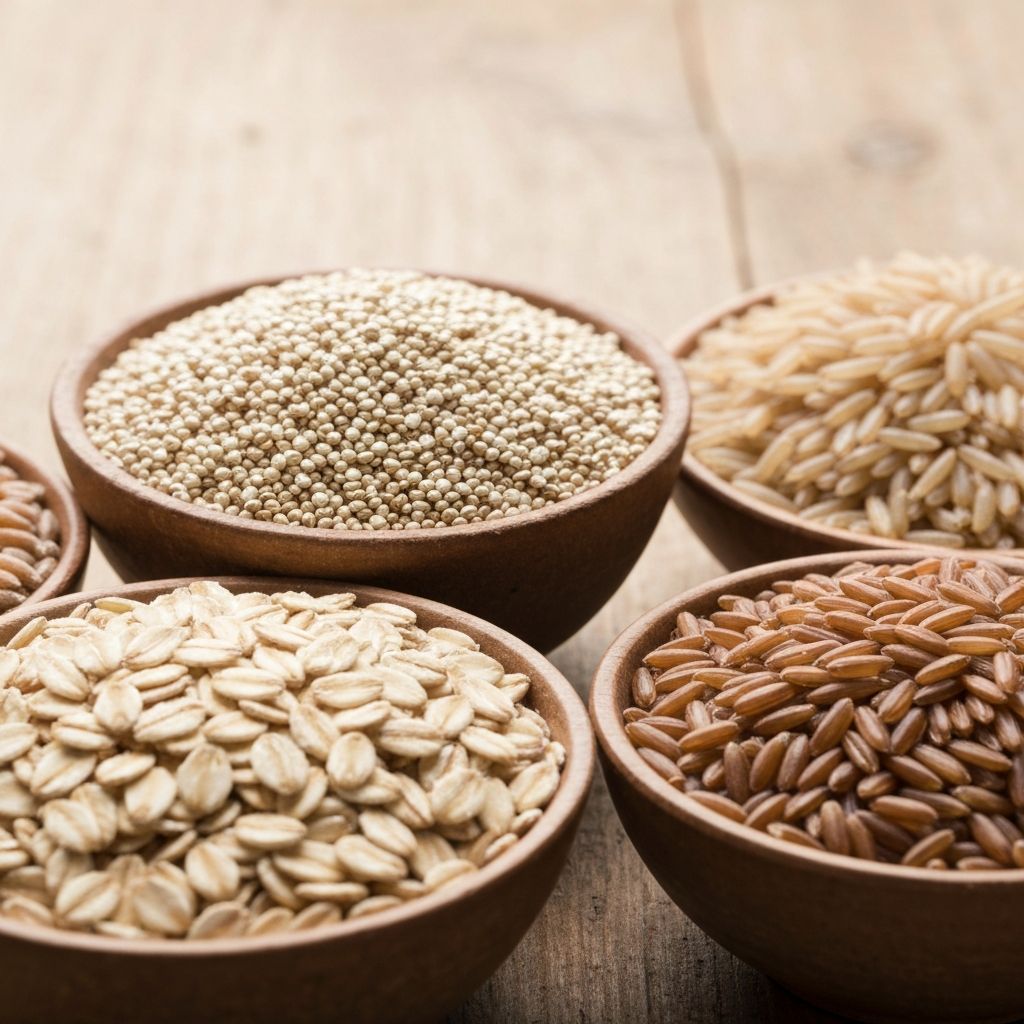
Carbohydrates serve as a primary energy source for cellular processes, particularly for the brain and nervous system. They are found in foods such as grains, legumes, fruits, vegetables, and dairy products. Carbohydrates are classified by their molecular structure into simple and complex forms, which influence digestion rates and subsequent metabolic responses.
Dietary fibre, a form of carbohydrate that resists digestion in the small intestine, plays various roles in digestive health and satiety. Sources include whole grains, vegetables, fruits, and pulses.
Proteins
Proteins are composed of amino acids and are essential for tissue maintenance, enzyme production, immune function, and various metabolic processes. Dietary protein sources include meat, fish, poultry, eggs, dairy products, legumes, nuts, and seeds.
The protein content and amino acid profiles vary among different food sources. Complete proteins contain all essential amino acids, while incomplete proteins may lack one or more. A varied diet typically provides adequate amino acid diversity.

Fats
Dietary fats serve multiple functions, including energy provision, absorption of fat-soluble vitamins, and structural roles in cell membranes. Fats are categorized by their chemical structure into saturated, monounsaturated, and polyunsaturated types.
Common sources include oils, nuts, seeds, avocados, fatty fish, and dairy products. Different fat types have varying effects on physiological processes, and dietary recommendations often emphasize the quality and variety of fat sources.
Common Misconceptions about Body Weight
Public discourse surrounding body weight often includes simplified assertions that may not reflect the complexity of nutritional science and human physiology.
Misconception: All calories are equal
While energy balance is a fundamental principle, the source of calories influences various metabolic processes, satiety signals, and nutrient availability. A calorie from refined sugar differs in its physiological effects from a calorie derived from whole grains or protein, even though both provide equivalent energy.
Misconception: Eating late causes weight gain
The timing of food intake has been studied extensively. Current evidence suggests that total daily energy intake and expenditure over time are more significant factors than the specific timing of meals. However, meal timing may influence circadian rhythms, sleep quality, and metabolic processes in ways that are still being investigated.
Misconception: Carbohydrates should be eliminated
Carbohydrates encompass a diverse range of foods with varying nutritional profiles. Eliminating entire macronutrient categories is not supported by mainstream nutritional science for the general population. The type, quality, and quantity of carbohydrates consumed are more relevant considerations than complete avoidance.
Misconception: Body weight reflects health status completely
Body weight is one measurable parameter among many. Health encompasses cardiovascular function, metabolic markers, psychological wellbeing, functional capacity, and numerous other factors. Weight alone does not provide a comprehensive picture of an individual's health status.

How Daily Habits Influence Metabolism
Metabolism encompasses all chemical processes that maintain life, including energy production, nutrient processing, and cellular maintenance. Various daily habits influence metabolic rate and efficiency.
Sleep Duration and Quality
Sleep affects hormonal regulation, including hormones involved in appetite signalling and glucose metabolism. Research indicates that inadequate or poor-quality sleep may influence metabolic processes and eating behaviours. Individual sleep requirements vary, but consistent sleep patterns are generally associated with more stable metabolic function.
Stress and Cortisol
Chronic stress influences the release of cortisol and other hormones that affect metabolism, appetite, and energy storage patterns. Stress responses are highly individual and influenced by numerous factors including genetics, environment, and psychological resilience.
Meal Patterns and Frequency
The effects of meal frequency on metabolism have been studied with varied results. Some research suggests that meal frequency has minimal impact on total daily energy expenditure, while meal pattern consistency may influence appetite regulation and adherence to dietary patterns. Individual responses vary considerably.
Hydration Status
Adequate fluid intake supports various metabolic processes, including nutrient transport, temperature regulation, and cellular function. While dramatic claims about hydration and metabolism are often overstated, maintaining appropriate hydration is a basic physiological requirement.
The Value of Plant-Based Foods
Plant-based foods encompass vegetables, fruits, legumes, whole grains, nuts, and seeds. These foods provide essential nutrients including vitamins, minerals, dietary fibre, and various phytochemicals.
Nutrient Density
Many plant foods offer high concentrations of nutrients relative to their energy content. This characteristic, known as nutrient density, means that plant foods can contribute substantial vitamins, minerals, and fibre while providing moderate amounts of energy.
Dietary Fibre
Plant foods are the primary dietary source of fibre, which influences digestive processes, satiety, and the gut microbiome. Different types of fibre have varying effects on digestion and metabolic processes. Adequate fibre intake is associated with various health markers in observational studies.
Phytochemicals
Plants contain numerous bioactive compounds beyond essential nutrients. These phytochemicals, including polyphenols, carotenoids, and flavonoids, have been studied for their potential roles in cellular processes and antioxidant activity. Research in this area continues to evolve.
Practical Considerations
Incorporating diverse plant foods into daily eating patterns provides variety in nutrients, flavours, and textures. Seasonal availability, preparation methods, and individual preferences influence plant food choices. No single plant food is essential; rather, overall dietary diversity matters most.


Movement in Daily Routine
Physical activity contributes to total daily energy expenditure and influences various physiological systems beyond simple energy balance. Movement encompasses structured exercise, occupational activities, and everyday tasks.
Types of Physical Activity
Activities vary in intensity, duration, and type. Aerobic activities involve sustained, rhythmic movements that engage large muscle groups. Resistance activities involve working against force to challenge muscles. Flexibility and balance activities maintain range of motion and stability. Each type offers distinct physiological stimuli.
Non-Exercise Activity
Daily activities such as walking, standing, household tasks, and occupational movements contribute to total energy expenditure. This category, sometimes termed non-exercise activity thermogenesis, varies considerably among individuals based on occupation, lifestyle, and environment.
Individual Variation
Physical capacity, preferences, and circumstances differ widely among individuals. Factors including age, existing fitness level, health status, and access to facilities influence activity patterns. There is no universal prescription for movement that applies to all people.
Movement and Metabolism
Regular physical activity influences metabolic processes, including glucose utilization, cardiovascular function, and muscle tissue maintenance. The relationship between activity and body weight is complex and influenced by numerous variables including dietary patterns, intensity and duration of activity, and individual metabolic responses.
Water Intake and Physiology
Water is essential for life, comprising approximately 60% of body weight and serving critical roles in virtually all physiological processes. Understanding hydration needs and practices provides context for overall nutritional awareness.
Physiological Roles of Water
Water functions as a solvent, transport medium, temperature regulator, and participant in metabolic reactions. It facilitates nutrient delivery, waste removal, and chemical processes throughout the body. Cellular function, blood volume, and joint lubrication all depend on adequate hydration.
Fluid Requirements
Hydration needs vary based on factors including body size, activity level, climate, and individual physiology. While general guidelines exist, thirst mechanisms and urine colour provide practical indicators of hydration status for most healthy individuals. Both inadequate and excessive fluid intake can pose concerns.
Sources of Hydration
Water intake comes from beverages and foods. Many foods, particularly fruits and vegetables, contain substantial water content. Beverages vary in their hydration effectiveness and may contain additional components such as caffeine, sugars, or electrolytes that influence fluid balance.
Hydration and Appetite
The relationship between hydration and appetite is complex. Thirst and hunger signals can sometimes be confused, and adequate hydration may influence eating patterns. However, claims that drinking water directly causes significant changes in metabolic rate or body weight are not well supported by evidence.

Frequently Asked Questions
This website provides educational information about nutritional science concepts, energy balance, and food-related topics. It is designed to explain principles and share factual knowledge, not to provide personal advice or recommendations.
The content is prepared by individuals interested in nutritional science and education. Contributors are not medical professionals or registered dietitians. All information is for educational purposes only.
This website provides general educational information that applies to broad concepts in nutritional science. Individual circumstances vary greatly, and this content does not constitute personalised advice. Anyone seeking guidance for their specific situation should consult qualified professionals.
No. This resource explains various nutritional concepts and food-related topics without endorsing specific dietary approaches. Different individuals may require different approaches based on their unique circumstances, preferences, and health status.
The content reflects general principles from nutritional science and published research. While specific citations are not included for every statement, the information aligns with established scientific understanding as of January 2026. Nutritional science continues to evolve, and emerging research may refine current knowledge.
This website provides educational context only. Health decisions should be made in consultation with qualified healthcare providers who can assess individual circumstances, medical history, and specific needs. Do not use this content as a substitute for professional advice.
Continue Exploring
This resource continues to expand with additional information about nutritional science concepts and food-related topics. Each section aims to provide clear explanations of principles without promoting specific outcomes or approaches.
Learn More About This ResourceQuestions About Content
If you have questions regarding the educational content on this site, you may submit them using the form below. Please note that we cannot provide personal advice or respond to individual health inquiries.
Limitations and Context
All materials on this website are informational and educational in nature. They do not constitute medical advice, nutritional counseling, or personalised recommendations. The content explains general principles and concepts without suggesting specific actions for individual readers.
Individuals have diverse needs, circumstances, health statuses, and preferences. What applies generally may not apply specifically to any particular person. Nutritional science recognizes substantial individual variation in responses to dietary patterns and lifestyle factors.
For guidance tailored to your personal situation, consult qualified healthcare professionals such as physicians, registered dietitians, or other appropriate practitioners who can assess your individual circumstances.
This website exists solely to share knowledge about nutritional concepts, not to replace professional assessment or individualised guidance.